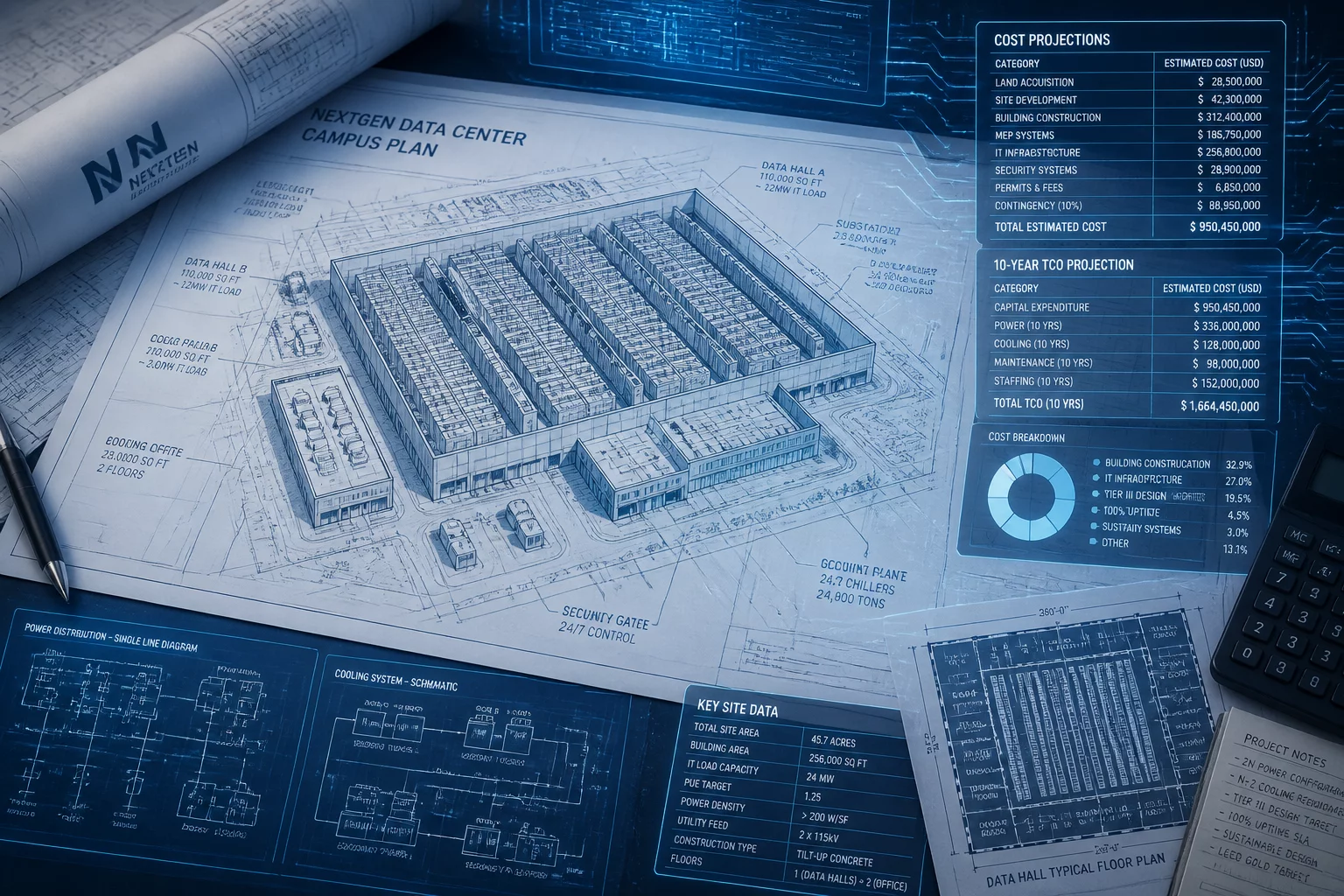
The Scale of Modern AI Capital Allocation
Hyperscalers and sovereign wealth entities direct unprecedented capital flows toward next-generation computing infrastructure. Evaluating these multi-billion-dollar investments requires dissecting physical real estate, power interconnects, specialized optical networking fabric, and accelerator clusters. Investors must separate productive long-term asset buildouts from speculative capacity overbuilding.
Early infrastructure cycles focused primarily on general-purpose cloud servers with predictable five-year amortization schedules. In contrast, artificial intelligence infrastructure demands accelerated computing hardware that experiences rapid technological obsolescence and intensive thermal degradation. Tracking these balance sheet additions reveals how effectively management teams balance immediate cash burn against projected recurring software revenue.
Key Financial Metrics for Evaluating Compute Infrastructure
Dissecting modern enterprise filings requires tracking non-traditional capital efficiency indicators across high-density computing portfolios:
- Power Usage Effectiveness (PUE) and long-term megawatt power purchase agreements securing reliable baseload clean energy.
- Accelerated depreciation models adjusting hardware asset lifespans down from 5 years to 36–42 months.
- Gross margin contribution per compute cluster after factoring in dynamic electricity tariffs and liquid cooling overhead.
When capital intensity surges past historical norms, return on invested capital (ROIC) temporarily compresses. Prudent analysts monitor the velocity at which preliminary infrastructure capacity converts into contracted enterprise software bookings, protecting against protracted margin dilution.
Grid Constraints and Long-Horizon Monetization
Access to electrical transmission substations represents the primary physical barrier to AI infrastructure expansion. Organizations securing multi-gigawatt grid connectivity establish durable competitive moats. As specialized inference workloads shift toward enterprise edge deployment, capital expenditure efficiency will separate market leaders from overleveraged operators.
Investor Discussion
CommunityNo comments yet. Be the first to share your insights on artificial intelligence infrastructure capital expenditures.
Leave a Comment